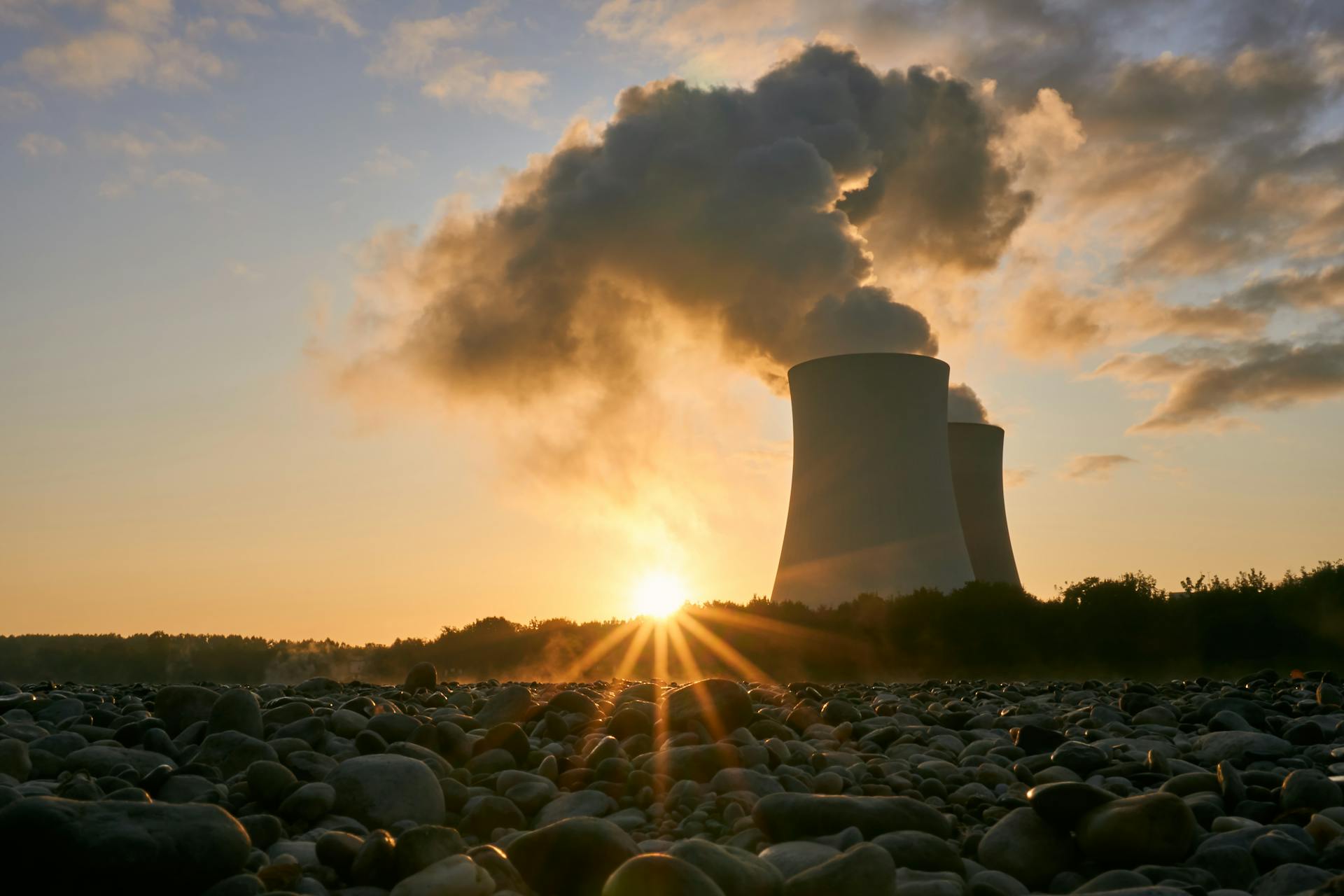
Power Generation
92%Utility & captive thermal plants
10 mm pellets or briquettes · 500–5 000 MT/month

( Industrial Applications )
Where It
Burns
( Select Industry )
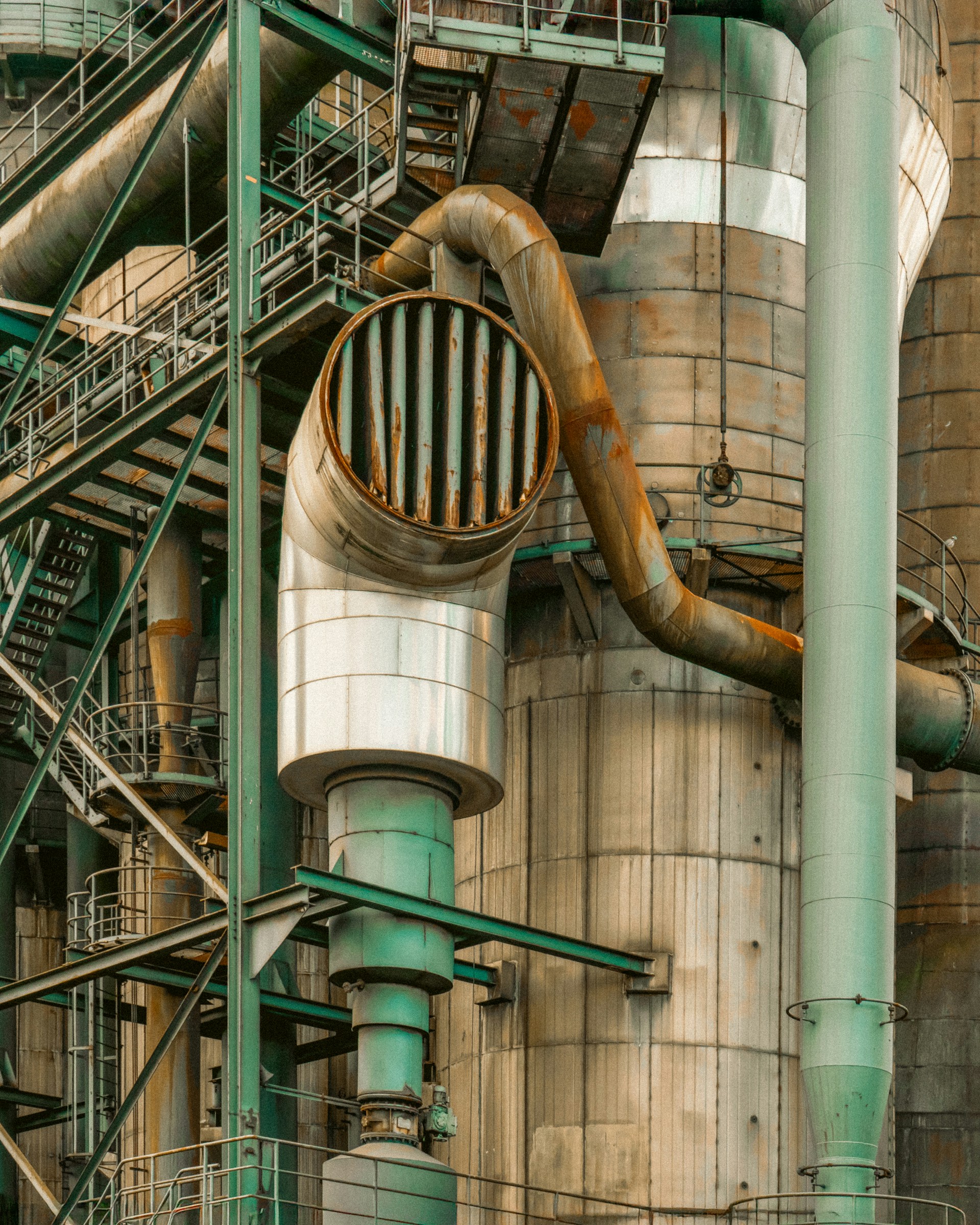
( Process steam and thermal oil )
Process industries — textiles, chemicals, paper — that rely on continuous steam generation are the natural fit for biomass pellets. Consistent calorific value and low ash content reduce fouling and maintenance cycles.
Artemis opens the buyer form with the closest industry profile already selected for this market.
( All Markets )
Utility & captive thermal plants
10 mm pellets or briquettes · 500–5 000 MT/month
Process steam and thermal oil
6 mm or 8 mm pellets · 100–1 000 MT/month

Kiln fuel replacement
10 mm pellets · 200–2 000 MT/month
Steam sterilisation and cooking
6 mm or 8 mm pellets · 50–300 MT/month

Township and campus heating
Briquettes or 10 mm pellets · 100–800 MT/month
( The Case for Biomass )
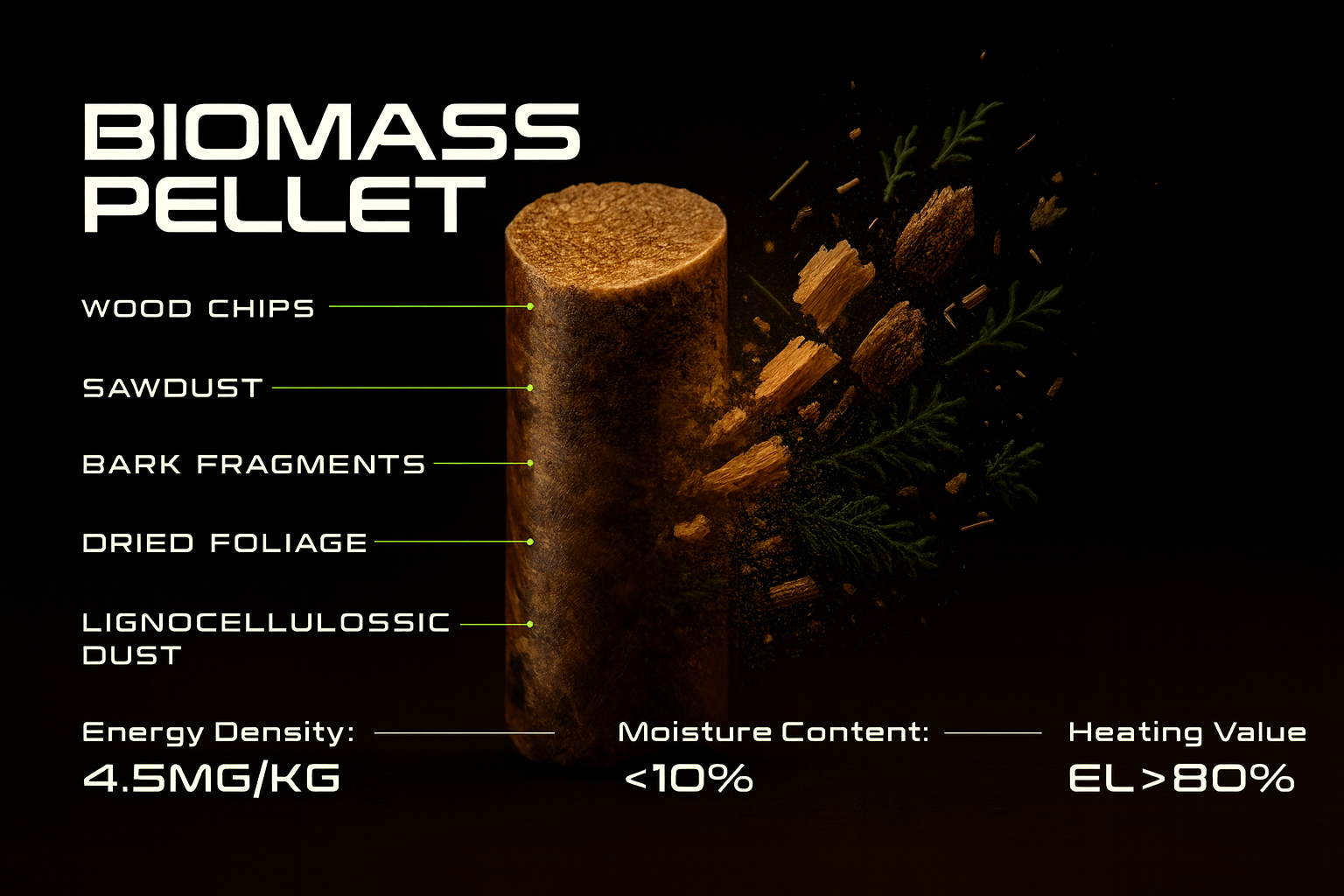
Agricultural residue feedstock is geographically abundant and seasonally predictable — less exposed to global energy market volatility than coal or gas.
Pellet density and calorific value are tuned to work in existing coal boiler infrastructure with minimal retrofitting — reducing switching cost.
Biomass co-firing lowers fossil intensity at source. For customers pursuing net-zero goals, those operating reductions can sit alongside carbon-credit or certificate strategies for residual emissions, with traceable lot data strengthening the reporting file.
Every lot is coded and traceable through the Artemis B2B portal — feedstock origin, moisture, QC results — supporting ESG disclosure, carbon-accounting workpapers, and audit requirements.